+02(01122263372)

History of Egypt
Unveiling Millennia of Civilization’s Legacy

1
c. 3100–2686 BCE
Early Dynastic Period
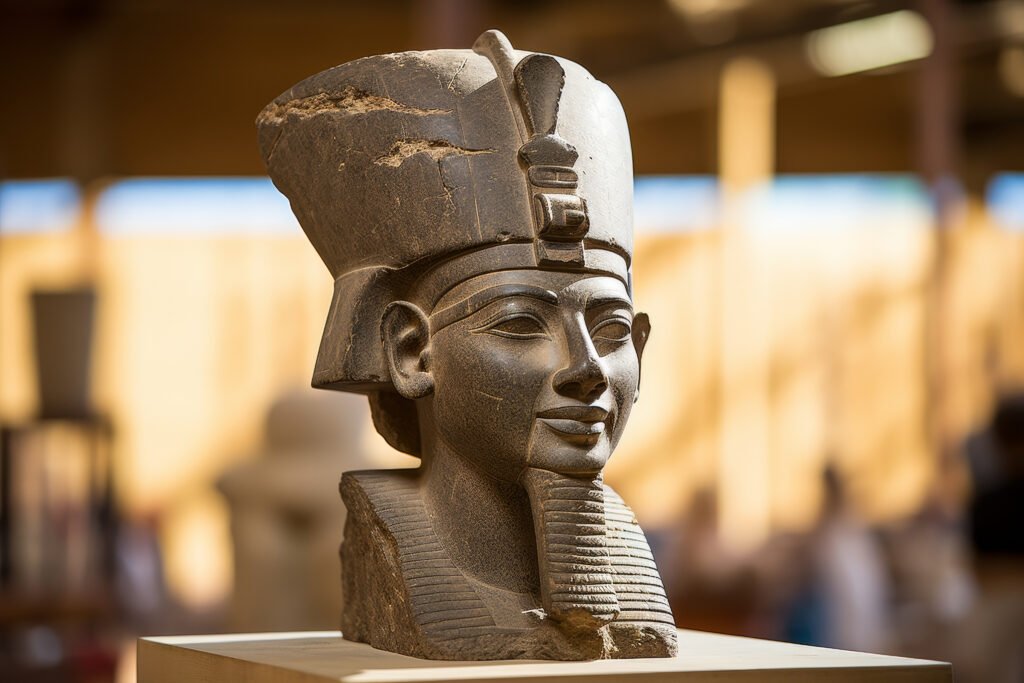
The Early Dynastic Period marks the formative stage of ancient Egyptian civilization, beginning with the unification of Upper and Lower Egypt under the legendary ruler Narmer, often associated with the figure of Menes. This historic unification established the foundation of the first dynastic state in Egypt and is symbolically depicted on the famous Narmer Palette.
During this era, Egypt saw the emergence of a centralized monarchy and the consolidation of political authority. Administrative systems began to develop, allowing the pharaoh and his officials to govern a growing and increasingly complex society. Early forms of Egyptian hieroglyphs also appeared, enabling the recording of religious practices, royal achievements, and administrative activities.
Architectural innovation became evident through the construction of elaborate royal tombs and ceremonial complexes, particularly in important centers such as Abydos and Saqqara. These developments laid the institutional, religious, and cultural foundations that would later support the monumental achievements of the Old Kingdom.
Key Highlights
- Unification of Upper and Lower Egypt under Narmer
- Establishment of the First and Second Dynasties
- Emergence of early Egyptian hieroglyphs
- Development of centralized monarchy and administration
- Construction of early royal tombs and ceremonial complexes
- Foundations laid for the prosperity of the Old Kingdom


2
c. 2055–1650 BCE
Middle Kingdom
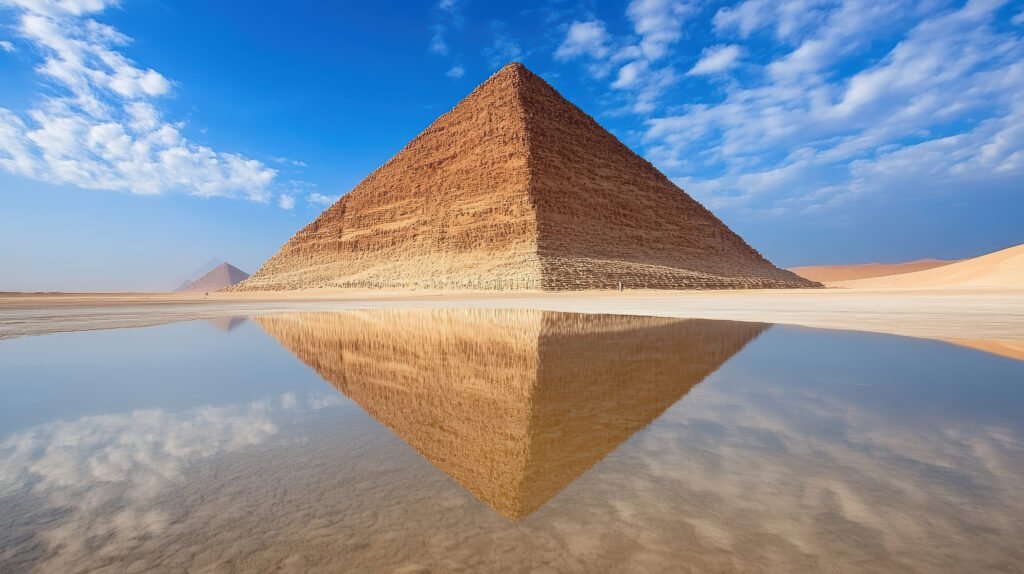
The Middle Kingdom marked the restoration of political stability and centralized authority following the fragmentation of the First Intermediate Period. This era began with the reunification of Egypt under Mentuhotep II, whose rule reestablished strong royal power and laid the foundation for renewed prosperity.
Pharaohs of the Eleventh and Twelfth Dynasties undertook ambitious construction projects, including temples, fortresses, and irrigation works designed to improve agricultural productivity along the Nile. The period also witnessed notable developments in administration, military organization, and regional trade.
Culturally, the Middle Kingdom is celebrated as a golden age of Egyptian literature. Texts such as the Tale of Sinuhe explored themes of loyalty, exile, adventure, and the divine authority of the king, reflecting the intellectual and artistic vitality of the period.
Key Highlights
- Reunification of Egypt under Mentuhotep II
- Restoration of centralized government
- Major temple and infrastructure projects
- Expansion of trade and administrative reforms
- Flourishing of literature including the Tale of Sinuhe
- Cultural and political stability after the First Intermediate Period

3
c. 1650–1550 BCE
Second Intermediate
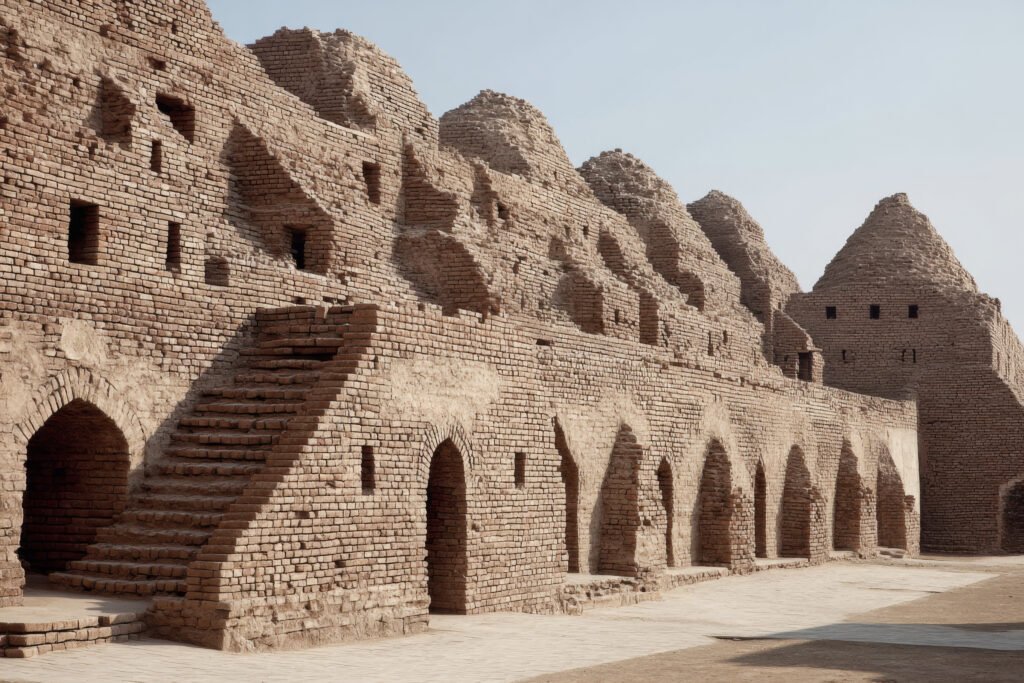
The Second Intermediate Period was a time of political fragmentation and foreign influence in Egypt. During this era, a group known as the Hyksos gained control over parts of northern Egypt, establishing their capital at Avaris.
The Hyksos introduced new technologies, including horse-drawn chariots, advanced bronze weapons, and improved military tactics. While their presence represented a major political disruption, it also stimulated changes in Egyptian military organization.
Resistance to Hyksos rule eventually grew in southern Egypt, culminating in their expulsion and the reunification of the country under native rulers. This victory ushered in the powerful era of the New Kingdom.
Key Highlights
- Rule of the Hyksos in northern Egypt
- Introduction of chariots and advanced weaponry
- Political fragmentation and competing dynasties
- Rise of resistance movements in southern Egypt
- Expulsion of the Hyksos and reunification of Egypt
- Transition to the New Kingdom
4
c. 1550–1070 BCE
New Kingdom
The New Kingdom is widely regarded as the golden age of ancient Egyptian power, influence, and cultural achievement. It began with the expulsion of the Hyksos and the rise of powerful rulers who transformed Egypt into a vast imperial state.
Among the most notable pharaohs was Hatshepsut, one of Egypt’s few female rulers, who oversaw prosperous trade expeditions and constructed the magnificent mortuary temple at Mortuary Temple of Hatshepsut.
Another major ruler, Thutmose III, expanded Egypt’s empire to its greatest territorial extent through successful military campaigns. Later, the reign of Amenhotep III brought a period of prosperity, artistic achievement, and diplomatic influence.
The New Kingdom also witnessed a dramatic religious transformation under Akhenaten, who attempted to establish the worship of the sun deity Aten as the dominant religion.
One of the most famous figures of this era is Tutankhamun, whose nearly intact tomb was discovered in the Valley of the Kings, offering extraordinary insight into royal burial practices and Egyptian artistry.
Key Highlights
- Considered the Golden Age of Ancient Egypt
- Expansion into a powerful imperial state
- Construction of monumental temples and tombs
- Religious reforms under Akhenaten
- Discovery of the tomb of Tutankhamun
- Gradual decline leading to political fragmentation
- Rule of influential pharaohs including Hatshepsut and Thutmose III


5
c. 1070–664 BCE
Third Intermediate Period
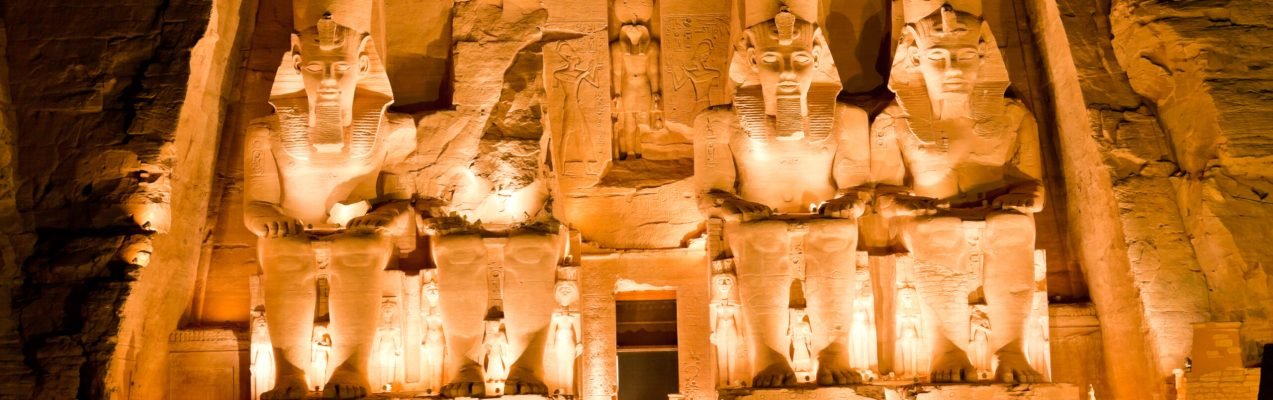
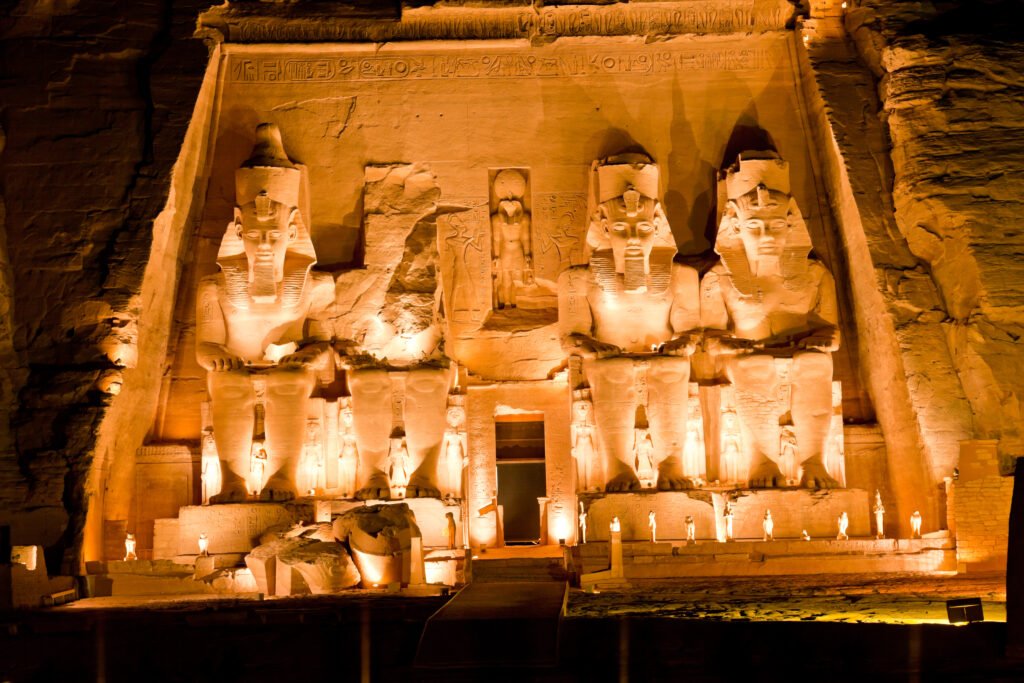
Following the decline of the New Kingdom, Egypt entered a phase of political fragmentation known as the Third Intermediate Period. During this era, authority was divided among various regional rulers and priestly elites.
The powerful priesthood of Amun gained significant influence, particularly in southern Egypt, where the High Priests of Amun exercised considerable political authority.
Foreign groups, including Libyan and Nubian dynasties, also gained control over different parts of the country. Attempts at reunification occurred periodically, such as under Shoshenq I, but lasting unity remained elusive.
Key Highlights
- Decline of centralized authority after the New Kingdom
- Rise of regional rulers and priestly power
- Influence of Libyan and Nubian dynasties
- Political fragmentation across Egypt
- Temporary reunification under Shoshenq I
6
c. 664–332 BCE
Late Period
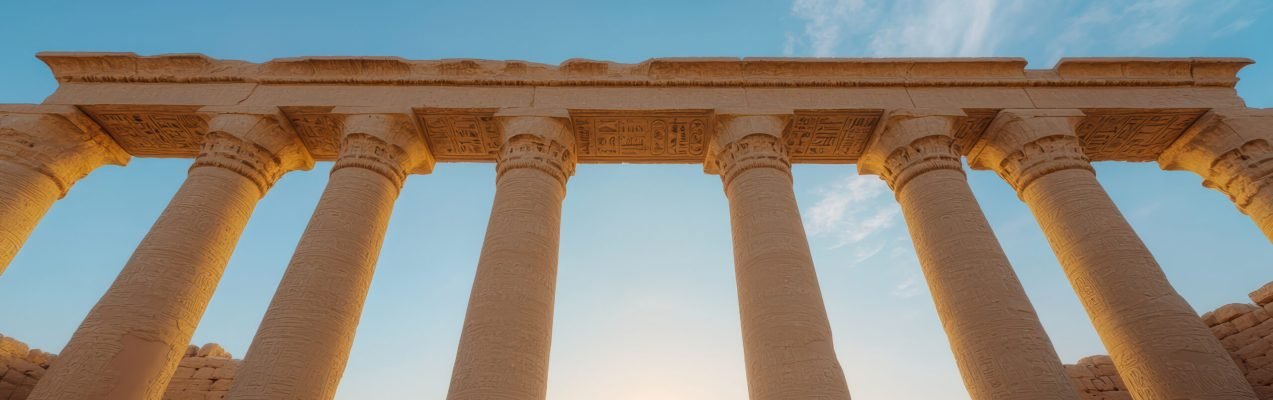
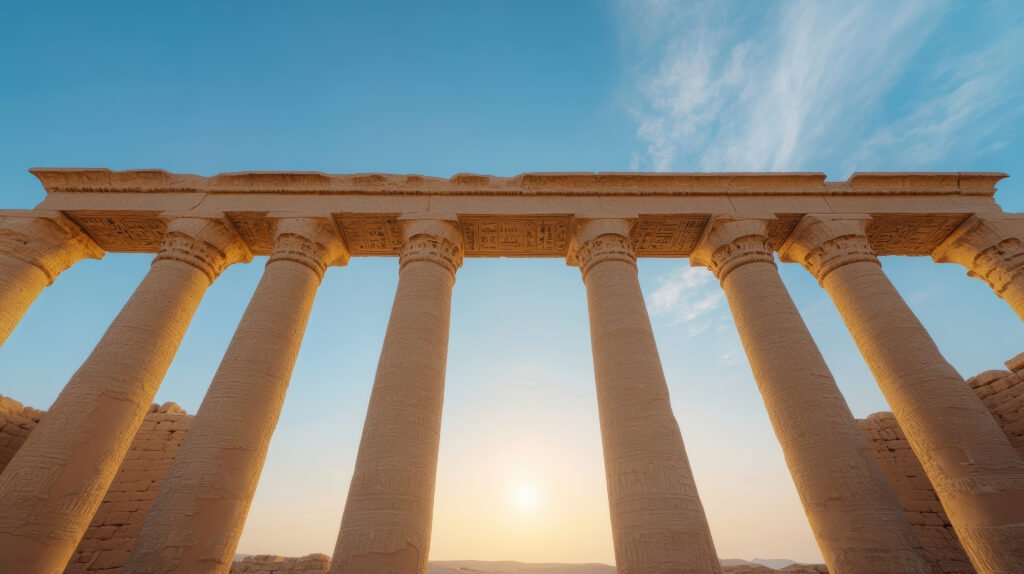
The Late Period was characterized by renewed attempts to restore Egyptian independence while facing repeated foreign invasions. During this time, Egypt came under the control of powerful empires, including the Assyrian Empire and later the Achaemenid Empire.
A major turning point occurred when Cambyses II conquered Egypt in 525 BCE. Persian rule continued until the arrival of Alexander the Great in 332 BCE.
Key Highlights
- Period marked by foreign invasions
- Conquest by the Achaemenid Empire
- Rule of Cambyses II
- Conquest by Alexander the Great in 332 BCE
- Beginning of the Ptolemaic era
7
c. 332 BCE–641 CE
Greco-Roman Period
After the conquest of Egypt by Alexander the Great, the country was ruled by the Macedonian Ptolemaic dynasty. During this era, Egyptian and Greek cultural traditions blended to form a unique Hellenistic civilization.
The city of Alexandria became one of the most important intellectual centers of the ancient world. The famous Library of Alexandria attracted scholars and researchers from across the Mediterranean.
The Ptolemaic era ended with the death of Cleopatra VII in 30 BCE, after which Egypt became a province of the Roman Empire.
Key Highlights
- Rule of the Ptolemaic dynasty
- Cultural fusion of Greek and Egyptian traditions
- Rise of Alexandria as a learning center
- Establishment of the Library of Alexandria
- End of Ptolemaic rule after the death of Cleopatra VII
- Egypt becomes a Roman province
8
641–1517 CE
Byzantine and Arab Period
The Arab conquest of Egypt in 641 CE transformed the country politically, culturally, and religiously. Islamic rule introduced new administrative systems and led to the growth of major cities.
The founding and development of Cairo established it as a major political and cultural center. Important architectural achievements from this period include the historic Mosque of Ibn Tulun.
Successive Islamic dynasties—including the Fatimid Caliphate, Ayyubid dynasty, and Mamluk Sultanate—shaped Egypt’s cultural and political identity.
Key Highlights
- Arab conquest of Egypt in 641 CE
- Rise of Cairo as a major center
- Construction of iconic Islamic architecture
- Rule of the Fatimid Caliphate and Mamluk Sultanate
- Cultural and economic development under Islamic rule


9
1517–Present
Ottoman Rule and Modern Egypt
In 1517, Egypt became part of the Ottoman Empire. Ottoman administration brought economic reforms and administrative restructuring while maintaining Egypt’s strategic importance in global trade.
During the 19th century, modernization efforts accelerated under reformist leaders, while foreign influence increased. One of the most transformative projects was the construction of the Suez Canal, which strengthened Egypt’s global economic importance.
In 1952, Egypt underwent a major political transformation with the establishment of the Arab Republic of Egypt.
Key Highlights
- Conquest by the Ottoman Empire in 1517
- Administrative and economic reforms
- Construction of the Suez Canal
- Rising European influence in the 19th century
- Establishment of the Arab Republic of Egypt in 1952
◆
Plan Your Luxury Journey in Egypt
Experience the wonders of ancient Egypt with our expertly curated luxury tours.
◆