Hot and dry across most regions. Perfect for beach destinations like Hurghada and Sharm El-Sheikh. and southern regions can be hot.
15°C - 25°C
Winter (November - March)
Mild and pleasant, ideal for sightseeing and exploring ancient monuments. Evenings can be cool, especially in desert areas.
20°C - 30°C
Spring & Autumn (April, October)
The best time to visit Comfortable temperatures perfect for activities, from Nile cruises to desert safaris.
Required Clothing
Lightweight Clothing
Cotton and linen fabrics work best. Loose fitting clothes keep you cool in the heat.
Modest Attire
Respect local customs by covering shoulders and knees when visiting religious sites
Comfortable Walking Shoes
Closed toe shoes with good support are recommended.
Light Layers
A light jacket or sweater for air-conditioned spaces, evening tours, and cooler winter nights.
Ramdan In Egypt
Ramadan in Egypt is a deeply spiritual and culturally rich time marked by fasting, reflection, and togetherness. From sunrise to sunset, Muslims fast as an act of self discipline, breaking the fast each evening with communal Iftar meals that bring families and communities together. As night falls, the country comes alive with prayers, illuminated streets, and a warm festive atmosphere. Acts of generosity and charity play a central role, reflecting the strong sense of unity and compassion that defines Ramadan in Egypt.
Egypt’s Terrain & Regions
Nile River Valley
The Nile River and its Delta create fertile land that supports agriculture and has sustained Egyptian communities for centuries.
Urban Hubs
In Lower Egypt, Cairo and Alexandria are major cities. Cairo is the capital, full of modern life and ancient sites, while Alexandria has a rich history by the Mediterranean Sea.
Geographical Tapestry
From the Nile’s ancient civilizations to modern coastal cities, Egypt’s varied landscapes shape its identity, with each area telling a story of history and culture.
The Nile River, flowing through Middle Egypt, not only shapes the landscape but also sustains life. Its fertile banks support agriculture, creating a green corridor that contrasts with the surrounding desert.
Red Sea Coast
The Red Sea Coast is a stunning area along the shores of countries like Egypt, Saudi Arabia, Sudan, Eritrea, and Djibouti. With its clear blue waters, colorful coral reefs, and sandy beaches, it’s a perfect spot for beach lovers and those into snorkeling and diving.
Cultural Richness
While rooted in history, Middle Egypt is not stuck in the past. Modern life thrives along the Nile, blending with ancient marvels to create a unique atmosphere where tradition and progress coexist harmoniously.
This is for visitors and is usually valid for up to 3 months, either for one entry or multiple entries.
Entry Visa
If you’re coming to Egypt for something other than tourism, like work, you need this visa.
Transit Visa
You might need this if you’re just passing through and only for some nationalities.
Egypt Visa Information
Transit Visa: You can get an Egyptian visa from an embassy before travel or, for some nationalities, on arrival at certain airports for a fee. A valid passport is required. Visa fees and eligibility depend on your nationality. Some travelers can enter Egypt without a visa or receive a visa on arrival for a limited stay, while others must apply in advance. Visitors arriving at Sharm El Sheikh or Taba may stay in the Sinai area for up to 14 days without a visa, but a full visa is needed to travel to Cairo or other cities. Certain activities, such as scuba diving outside local areas, may also require a tourist visa.
Transportation in Egypt
Egypt By Plane
Cairo International Airport is the main gateway.
Luxor and Aswan Airports serve Upper Egypt.
Hurghada , Sharm El-Sheikh Airports serve Red Sea.
Alexandria is served by Nozha and Borg Al Arab Airports.
Egypt By Boat
A car ferry runs between Aqaba Jordan and Sini.
Ticket price: about $70. Scheduled departure: 13:00, but delays of 40 minutes.
There is also a ferry that runs between Aswan and Wadi Haifa.
Egypt By Bus
Travelers can reach Egypt by bus from Jordan.
The Jordanian state bus company JETT operates a direct bus from Amman to Cairo.
The bus departs at 03:00 from the JETT terminal in Amman.
The journey takes 19 hours to reach Cairo..
Egypt By Car
Renting a car won’t add much cost in fuel, but you must be at least 25 years old to rent.
Driving in Egypt is challenging and very different
Traffic law obedience is low and road signs are limited.
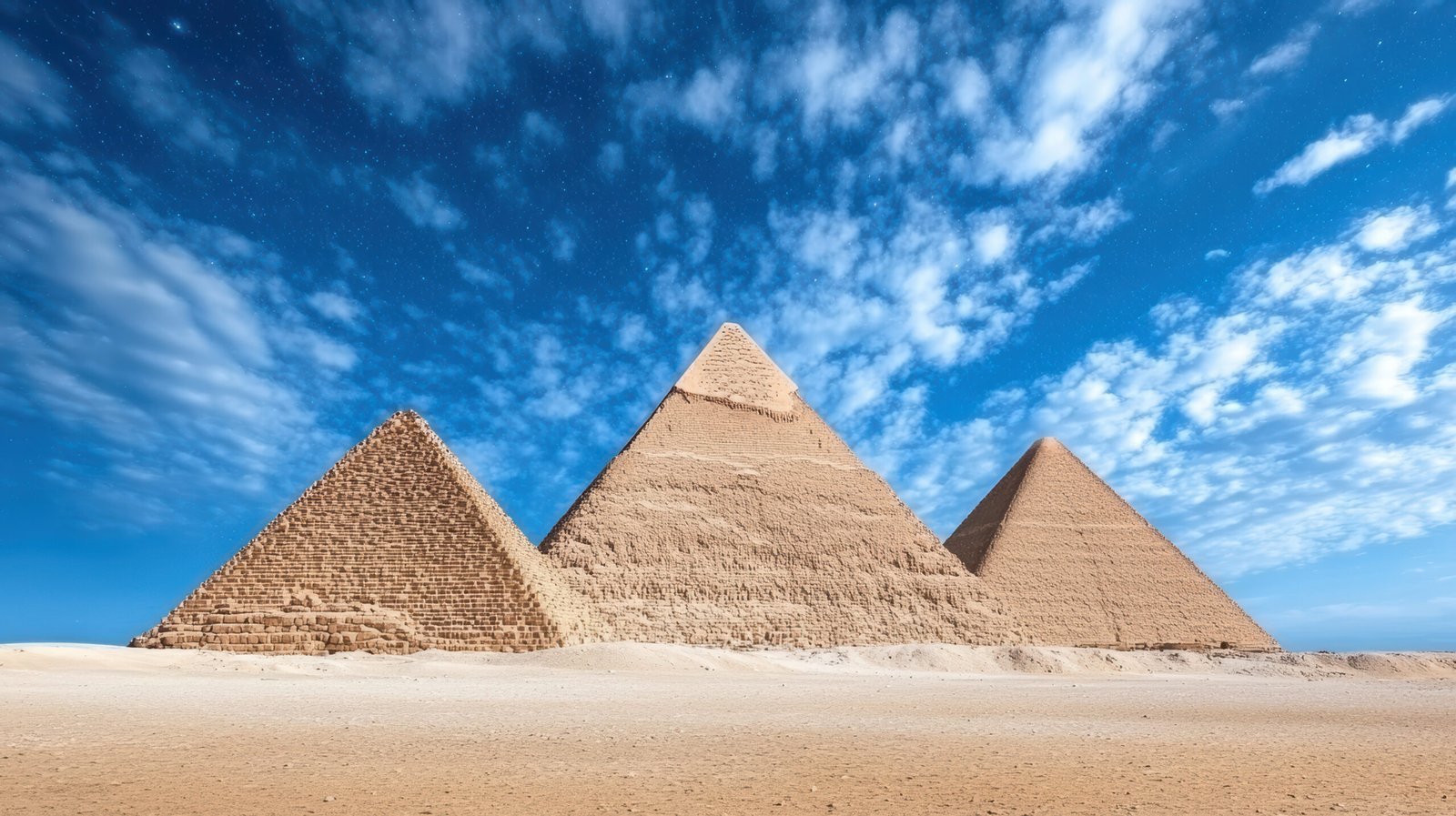
The most iconic symbol of Egypt, these massive structures were built over 4,500 years ago as royal tombs. The largest, the Great Pyramid, is one of the Seven Wonders of the Ancient World. Nearby stands the famous Great Sphinx of Giza, a mysterious statue with a lion’s body and human head.
The Egyptian Museum
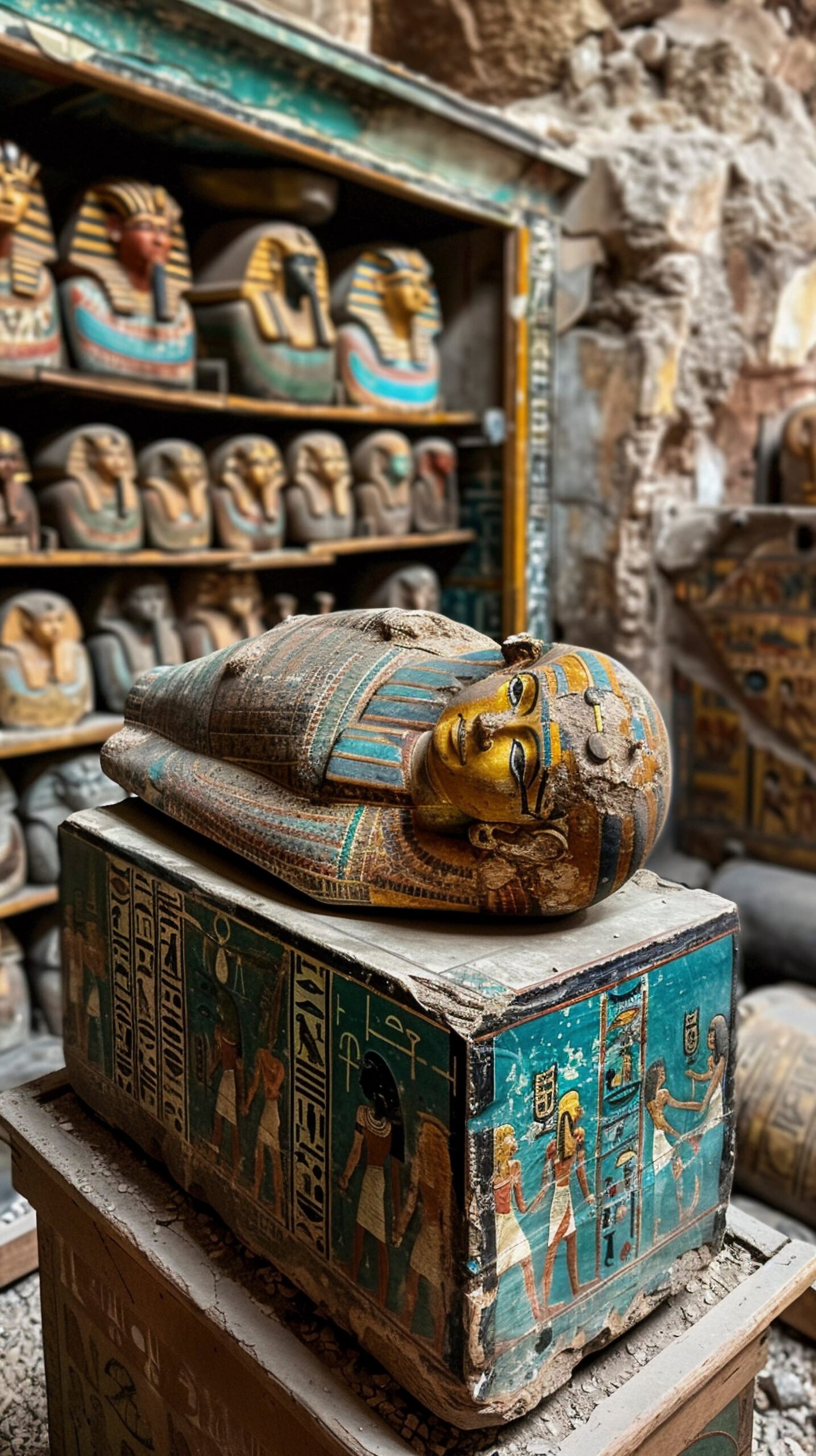
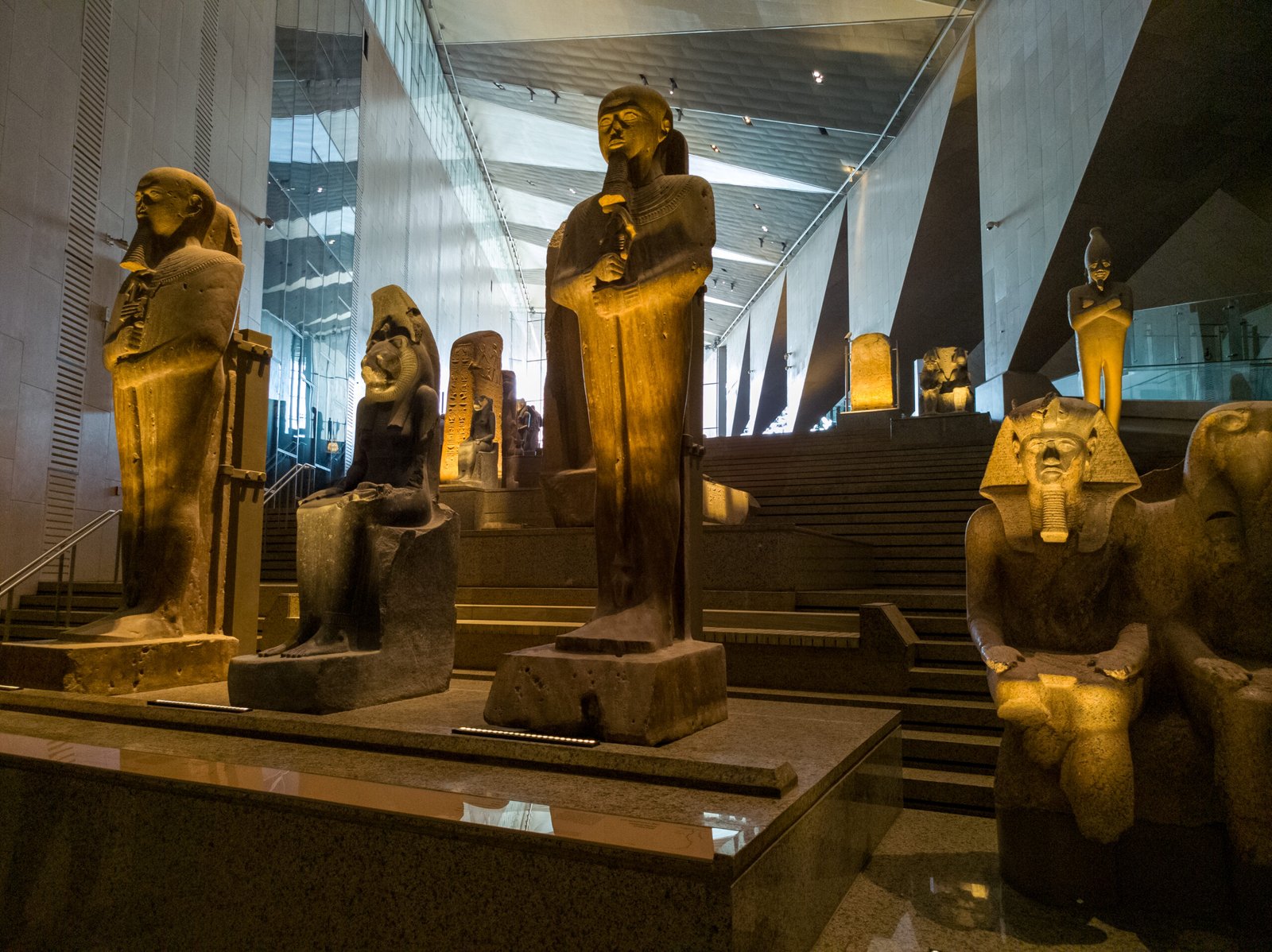
Located in Cairo, this museum holds the world’s largest collection of ancient Egyptian artifacts. Highlights include the treasures of Tutankhamun, including his golden mask, as well as countless statues, mummies, and everyday objects from ancient life.
The temples of Luxor
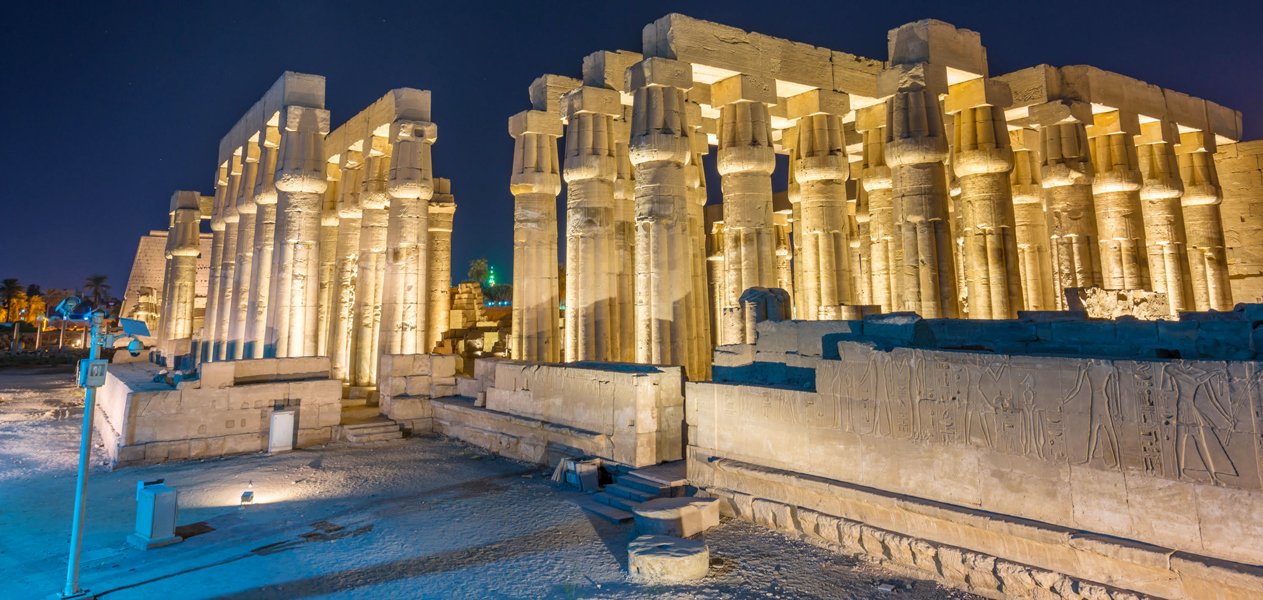
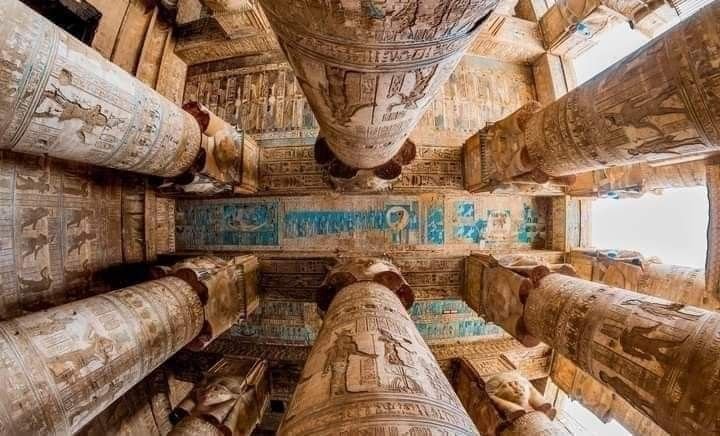
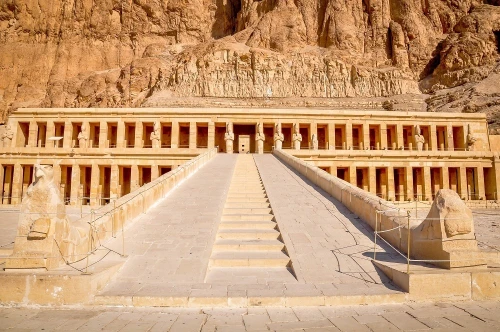
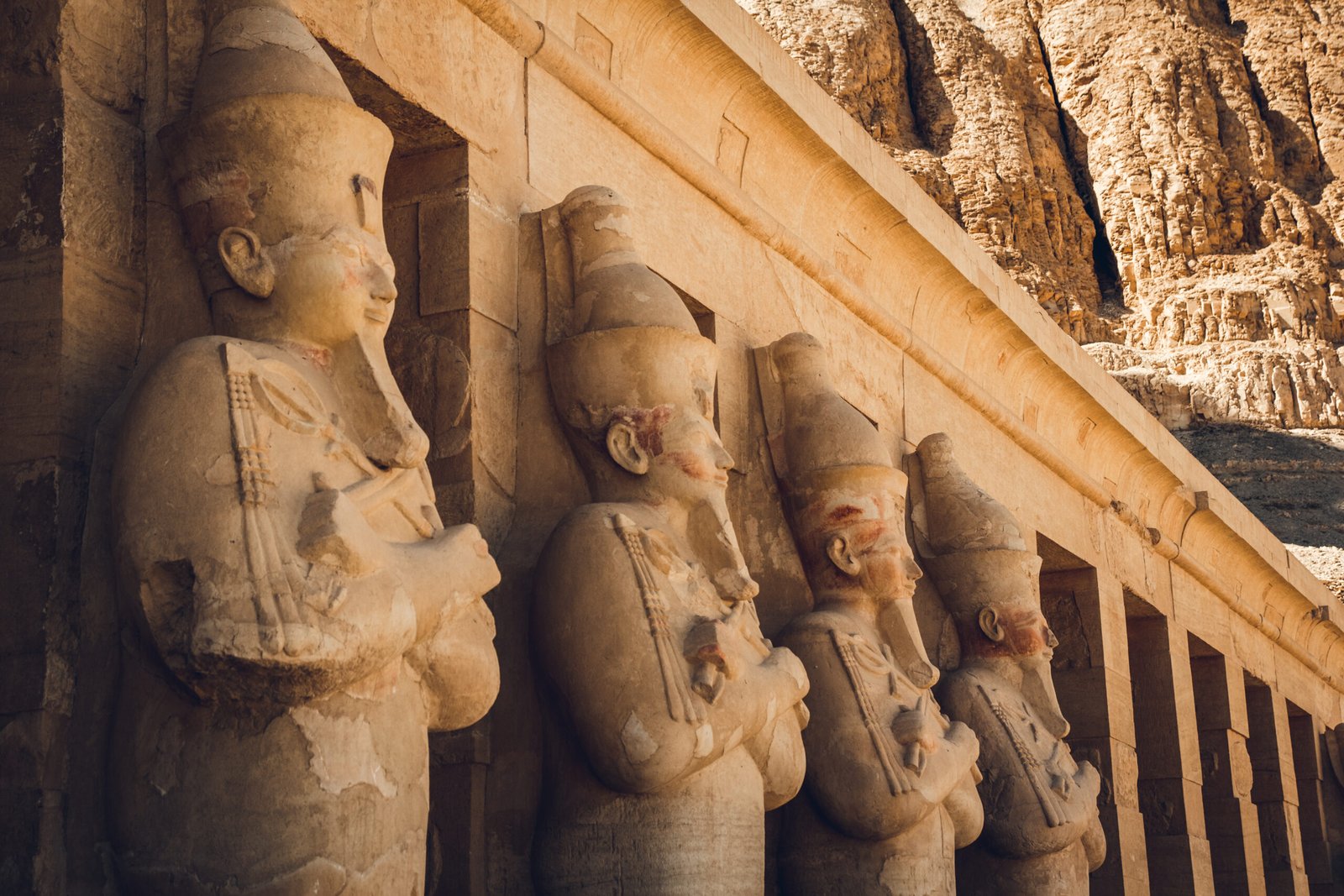
Luxor was once the ancient city of Thebes. The East Bank includes grand temples like Luxor Temple and Karnak Temple Complex, famous for huge columns and statues. Across the Nile (West Bank) are tombs and mortuary temples of pharaohs.
Saqqara and Dahshur
These are older pyramid sites near Cairo. Saqqara is home to the Step Pyramid of Djoser—the earliest pyramid ever built. Dahshur features unique pyramids like the Bent Pyramid and Red Pyramid, showing early experiments in pyramid construction.
The Valley of the Kings
A royal burial ground hidden in desert hills. Dozens of pharaohs were buried here, including Tutankhamun. The tombs are richly decorated with colorful wall paintings depicting the afterlife.
Abu Simbel Templete
Located in southern Egypt, these massive rock temples were built by Ramesses II. They are famous for their gigantic statues and for being relocated in the 1960s to save them from flooding caused by the Aswan High Dam.