+02(01122263372)

About Egypt
The Land of the Nile
The Land of the Nile
Explore Egypt’s timeless history through its iconic landmarks, from the pyramids of Giza and the Sphinx to the grand temples of Luxor and Karnak. Discover the treasures of the Valley of the Kings and the rich stories told through ancient hieroglyphs. Egypt’s heritage has been shaped by powerful civilizations from the Persians and Greeks to the Romans and Byzantines creating a unique cultural legacy that still captivates and inspires travelers today.
From Nile’s Embrace to Desert’s Embrace
Explore the geographical tapestry of Egypt, where the life-giving embrace of the Nile River intertwines with vast deserts, creating a landscape both dynamic and awe-inspiring. The Nile, the longest river in the world, not only sustains a fertile valley but also shapes the very essence of Egyptian life.
Uncover the significance of the Nile Delta, where agriculture flourishes, providing a stark contrast to the surrounding arid lands. Venture into the Western Desert and the Eastern Desert, where shifting dunes and rocky plateaus narrate tales of an ancient Earth.
The deserts, with their golden sands and rocky expanses, stand as a testament to the resilience of life in the face of challenging environments. Egypt’s geography, with its duality of fertility and aridity, paints a canvas that reflects the intricate balance between nature and civilization.
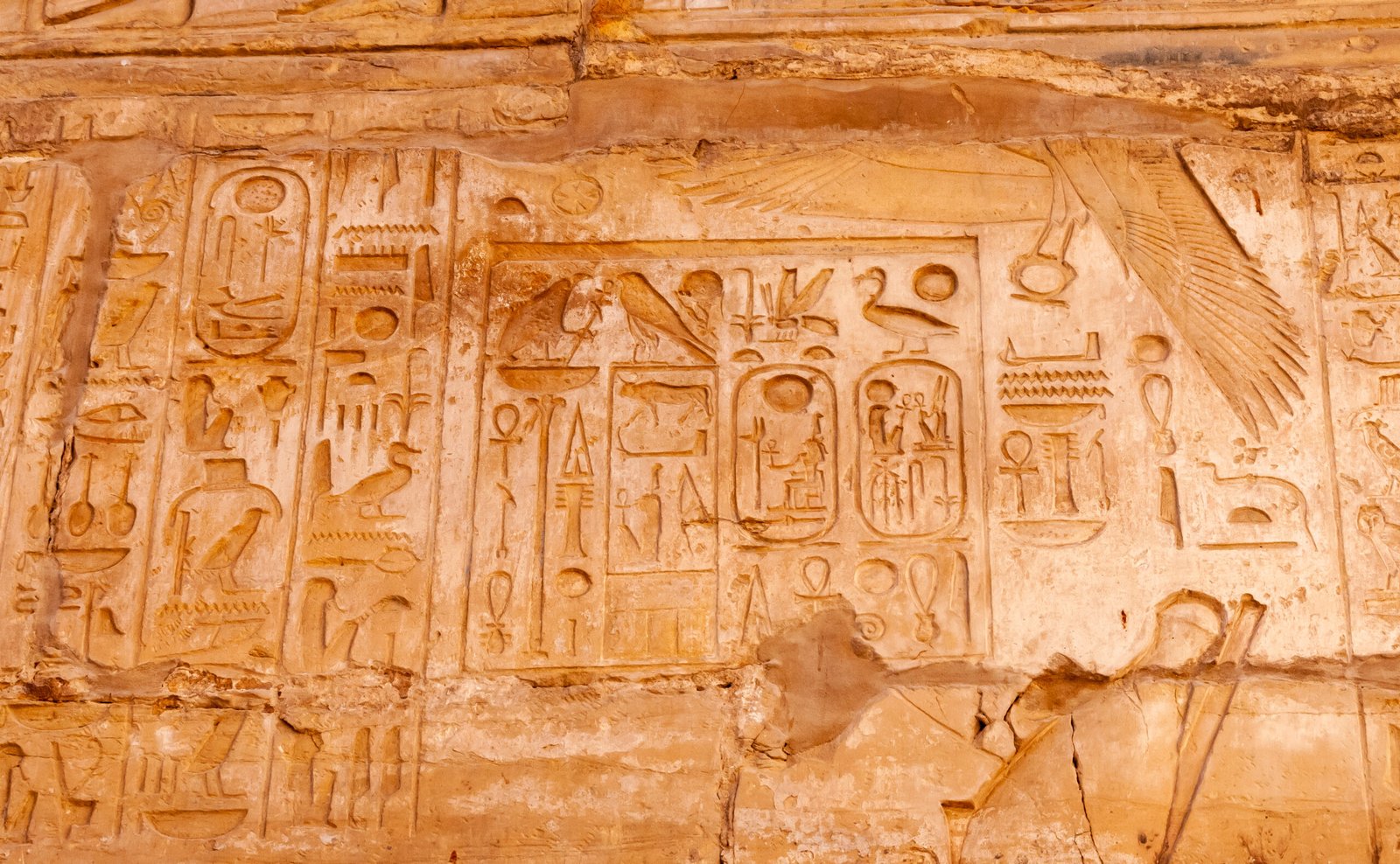
Intricate hieroglyphics telling ancient stories on temple walls
Environmental Challenges:
Egypt faces major sustainability issues as rapid urbanization reduces agricultural land and increases resource pressure. Soil salinity near the Aswan High Dam threatens crop productivity, while desertification highlights the need for better land management. Marine environments, including coral reefs and beaches, suffer from oil pollution, while water pollution from pesticides, sewage, and industrial waste poses serious risks. Despite these challenges, Egypt is actively engaged in international environmental agreements, showing commitment to conservation and sustainability.
Demographics in Focus:
Egypt, with over 83 million people, is the most populous Arab country and has a predominantly young population. Around one-third are under 14, and most citizens fall within the working-age group, reflecting strong growth potential. Literacy has improved to 71.4%, though gender gaps remain. Urbanization continues to rise, with 43% living in cities, shaping lifestyle and development trends as Egypt plans for its future.
Intricate hieroglyphics telling ancient stories on temple walls
Political Landscape:
Egypt operates as a republic blending historical legacy with modern governance. Under long-standing leadership and a legal system influenced by Islamic and civil law, the country follows a bicameral legislative structure with universal voting rights from age 18, reflecting its commitment to structured political representation.
Economic Resilience:
Egypt’s economy has transitioned from centralized control to reform-driven growth aimed at attracting investment and boosting GDP. Despite financial challenges, efforts like privatization, tax reforms, and increased foreign investment highlight Egypt’s determination to modernize and strengthen its economic position globally.
The Nile Valley – Economic Heartbeat:
The economic significance of the Nile Valley takes center stage, showcasing its role as the pulsating heart of Egypt’s economic endeavors. From agriculture in the fertile Nile Delta to the strategic importance of the Suez Canal, this region weaves together the threads of commerce, history, and global connectivity. The Nile not only provides a lifeline for agriculture but also supports industries and communities along its banks.
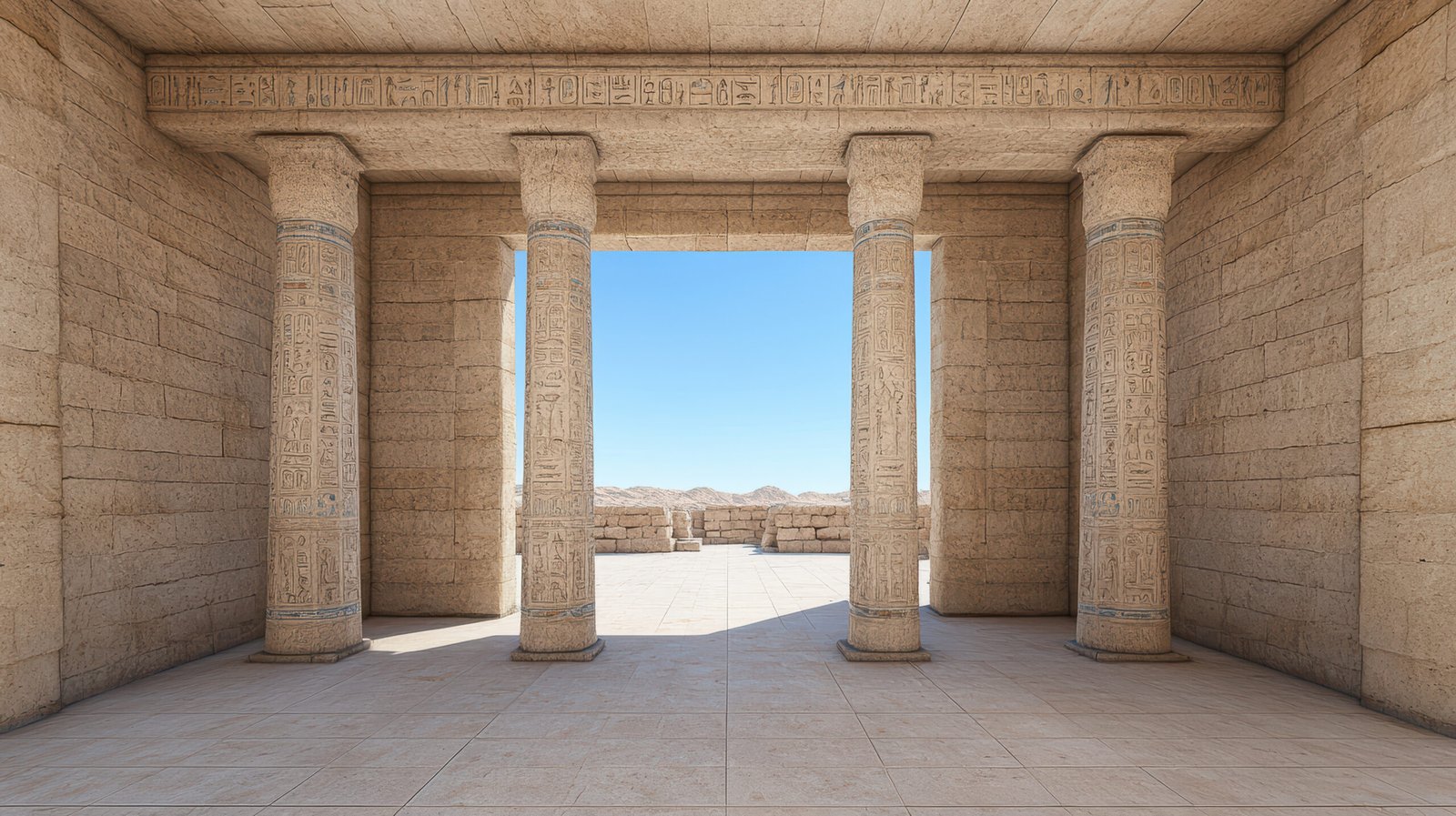
Architectural details showcasing ancient Egyptian engineering mastery
Cultural Mosaic: Religion, Language, and Identity
Egypt’s culture blends religion, language, and heritage into a rich identity. Most Egyptians are Sunni Muslims with a significant Coptic Christian community. Arabic is the official language, while English and French are widely used among the educated. Traditions, festivals, music, dance, and cuisine reflect deep cultural roots alongside modern influences.
Tourist Treasures: Egypt’s Allure Beyond Time
Egypt offers a unique mix of ancient wonders and vibrant modern life. Iconic sites like the Pyramids, Sphinx, and Valley of the Kings attract travelers, while Cairo’s lively markets, festivals, hospitality, delicious cuisine, Red Sea beaches, and Sinai landscapes add to its timeless appeal.
Future Horizons: Egypt’s Ascent in the 21st Century
Egypt looks toward a promising future through economic reforms, sustainability efforts, and investment in education and innovation. While managing population growth and urbanization, the nation aims to balance tradition with modern progress, building a strong, forward-looking future grounded in its rich heritage.
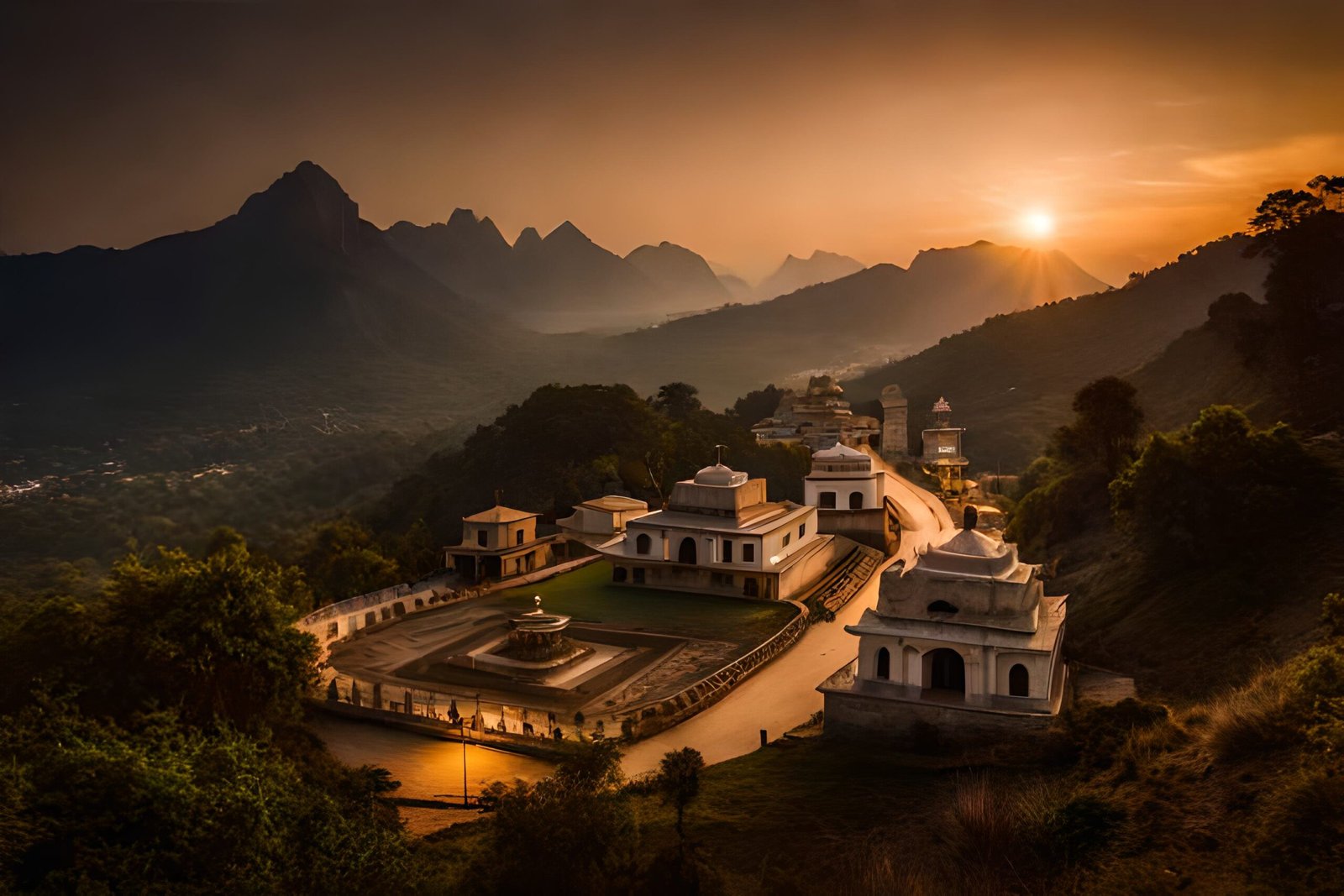
Golden hour illuminating the sacred temple complex
FAQs
What are the must visit historical sites in Egypt?
Egypt is a treasure trove of historical wonders. The must-visit sites include the Pyramids of Giza, the Sphinx, the Valley of the Kings, and the temples of Luxor and Karnak. Each site offers a unique glimpse into the rich history and architectural prowess of ancient Egypt.
What role does the Nile play in Egypt’s economy?
The Nile Valley is the economic heartbeat of Egypt, sustaining agriculture in the fertile Nile Delta and supporting industries along its banks. The completion of the Suez Canal further solidified the region’s importance, transforming Egypt into a global transportation hub.
How is Egypt preparing for future economic growth?
Egypt is pursuing economic reforms to attract foreign investment, with initiatives such as tax reductions and privatization. The government is committed to fostering GDP growth and economic stability while addressing challenges such as subsidies and budget deficits.
How does Egypt address environmental challenges?
Egypt is actively addressing environmental challenges through initiatives such as land-use planning, conservation projects, and international agreements. Efforts focus on sustainable development, reducing pollution, and preserving natural resources while balancing the needs of a growing population.