+02(01122263372)

Top 10 Hidden Treasures in Aswan.
Aswan stands out as a unique destination, distinct from the northern hubs of Luxor and Cairo. Known for its warm hospitality and rich Nubian culture, the city offers a mix of countryside serenity and urban energy. Beyond the famous monuments, Aswan holds “hidden treasures”—lesser-known spots that tell the story of Egypt’s history and natural beauty.
From the labyrinthine alleys of Elephantine Island to the silent ruins of ancient monasteries, this journey lets you see the enchanting secrets that make the Nile truly special. Whether you are exploring by felucca or wandering through vibrant markets, Aswan invites you to look closer at a community deeply connected to its roots.
01. Elephantine Island and Village Life
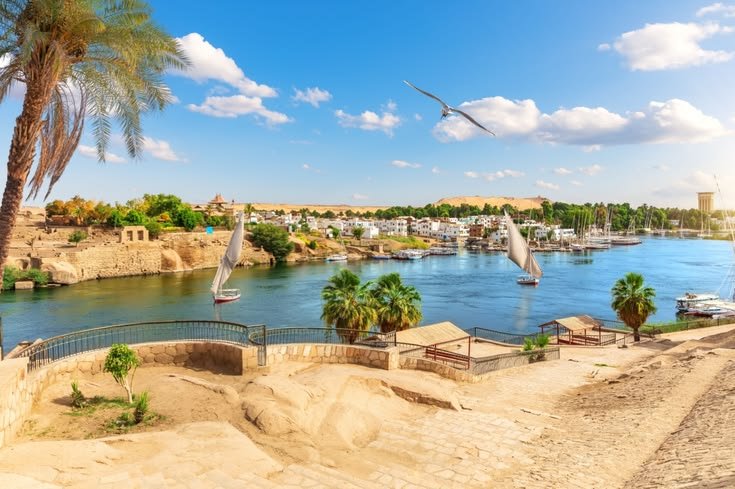
One of the great joys of Aswan is the seamless transition from the city center to traditional Nubian village life. A short felucca ride to Elephantine Island reveals a miniature labyrinth of winding alleys lined with mud-brick houses. These homes are often adorned with colorful murals that narrate tales of a community preserving its heritage against the backdrop of the Nile.
Wandering through this living canvas, you’ll find a patchwork of gardens overlooking palms and the river’s gentle flow. The island stands as a testament to the interplay between history and contemporary life, where the pulse of Nubian culture harmonizes with the serene surroundings, offering a unique perspective on the coexistence of tradition and modernity.
02. Philae Temple and the Tombs of the Nobles
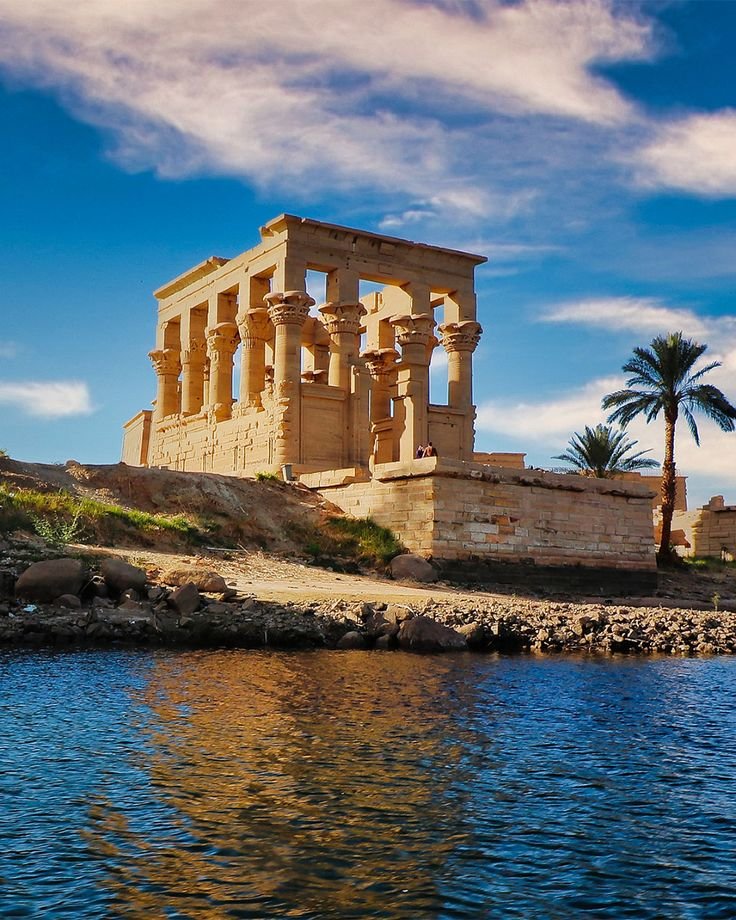
Philae Temple: Often referred to as a silent witness to enduring elegance, Philae was meticulously relocated to Agilkia Island to save it from rising waters. Each intricately carved stone showcases pharaonic grandeur and offers glimpses into the everyday lives of those who once gathered within these sacred walls.
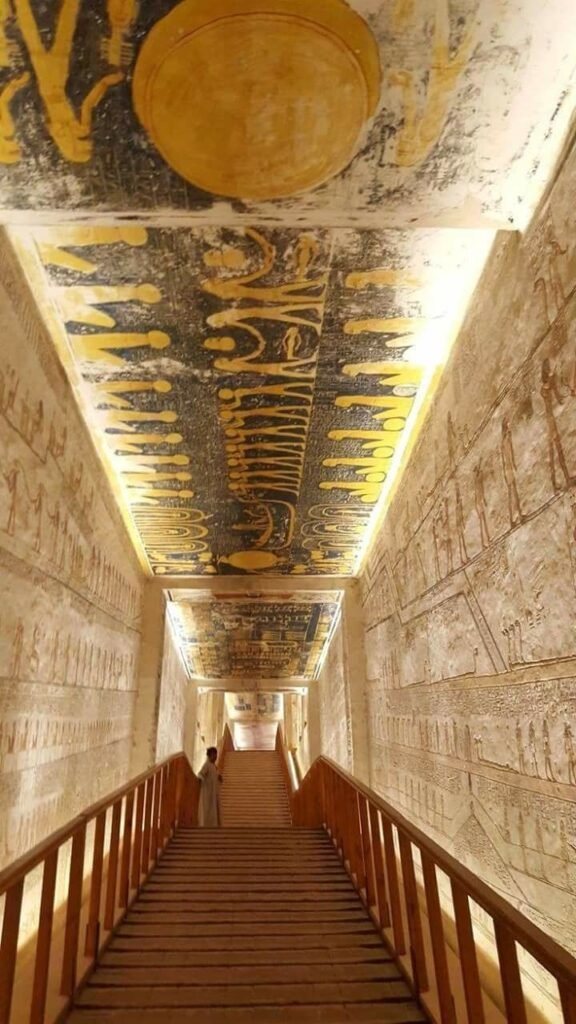
Tombs of the Nobles: Carved into the cliffs of the West Bank, these tombs unveil the lives of Aswan’s ancient elite. The detailed carvings depict scenes of daily life and religious ceremonies, serving as a profound connection to the city’s historical roots. A visit here adds significant depth to the narrative of the societal structures that thrived along the Nile.
03. The Souk and Botanical Bliss
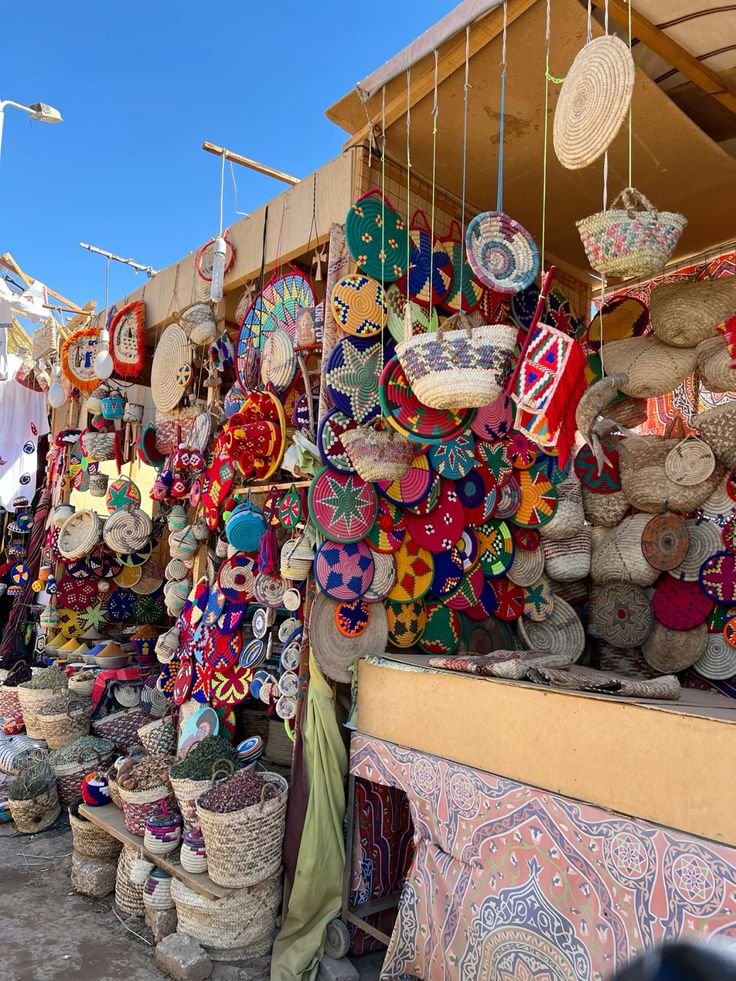
Aswan Souk: This vibrant marketplace engages the senses with the rich aroma of spices and a kaleidoscope of fabrics. Beyond being a shopper’s paradise, the souk serves as a portal to Nubian culture, showcasing traditional handicrafts and unique jewelry that echo the artisanal skill of the region.
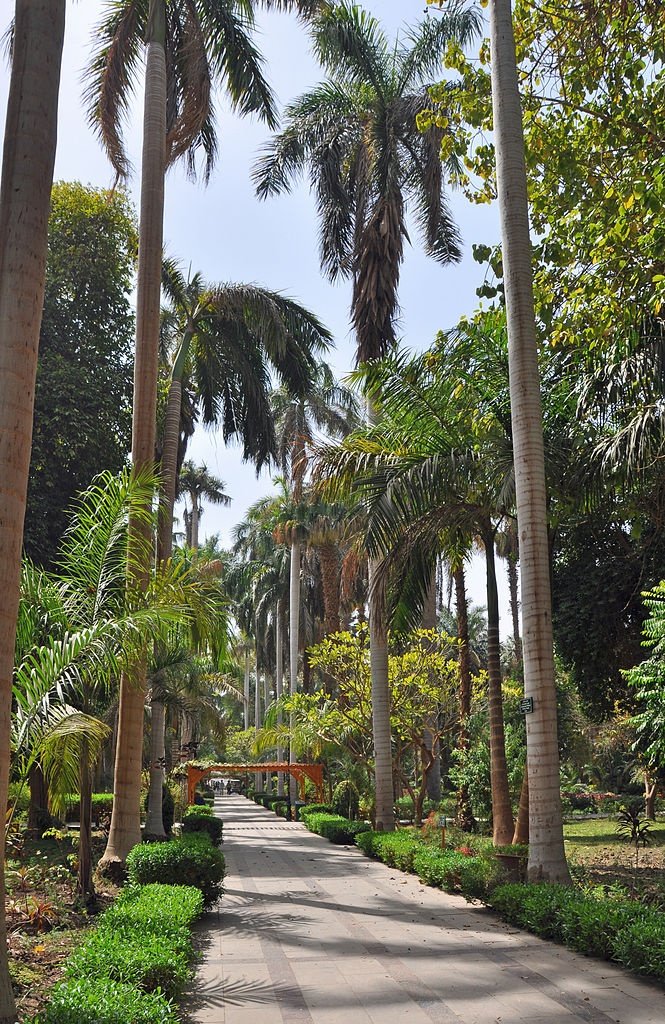
Kitchener’s Island: For those seeking botanical bliss, the Aswan Botanical Garden on Kitchener’s Island is a secret sanctuary. Away from the noise of the city, this peaceful spot is filled with exotic plants and colorful flowers, providing a great place to relax and take a break from the hustle and bustle of everyday life.
04. Historic Havens and Engineering Marvels
Monastery of St. Simeon: Located on the West Bank, this 7th-century monastery feels like a journey back in time. Walking through its fortress walls is like flipping through the pages of a history book, where the stones tell stories of ancient faith and seclusion.
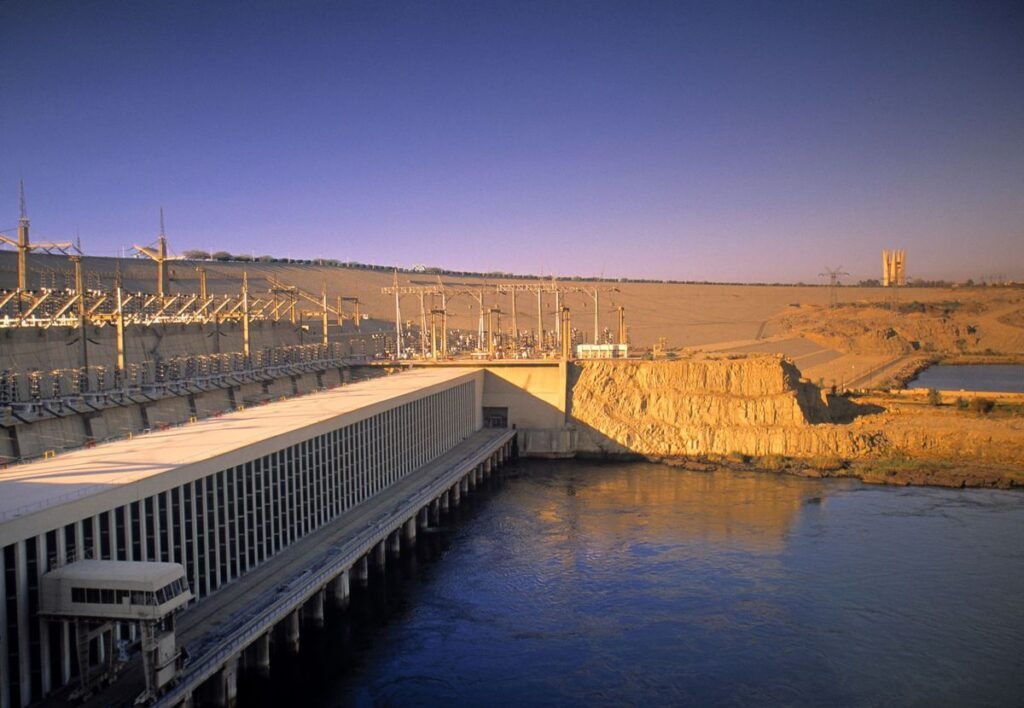
Aswan High Dam: Contrasting with the old world, the High Dam is a fantastic piece of modern engineering. It harmonizes progress with the river’s ancient narrative, controlling the flow of the Nile and providing essential resources for the people. Exploring the dam helps visitors see how human ingenuity works alongside the natural power of the river.
Related Articles
Share this article
Facebook
Twitter
LinkedIn
Email
WhatsApp
X